The California Court of Appeal issued an important decision that affects almost every injured worker who relies on ongoing medical treatment. The case, Illinois Midwest Insurance Agency v. WCAB (Rodriguez), holds that insurance companies must run every treatment request through Utilization Review (UR) and Independent Medical Review (IMR). Yes, even continuing or long-term care.
Let’s break down what this means, why it matters, and how I protect my clients when insurers try to delay or cut off necessary care.
What the Court Decided
For years, there’s been a legal argument based on an earlier case called Patterson. Some attorneys used Patterson to say that once an insurer approved a type of treatment (for example, home health care), they couldn’t simply stop it without a good reason. There was a narrow “continuing treatment” exception that gave injured workers a little protection.
The new Court of Appeal decision rejects that idea.
The court said very clearly:
There is no ongoing-treatment exception.
Every new request for medical treatment must go through Utilization Review. Even if it’s something the worker has been receiving for months or years.
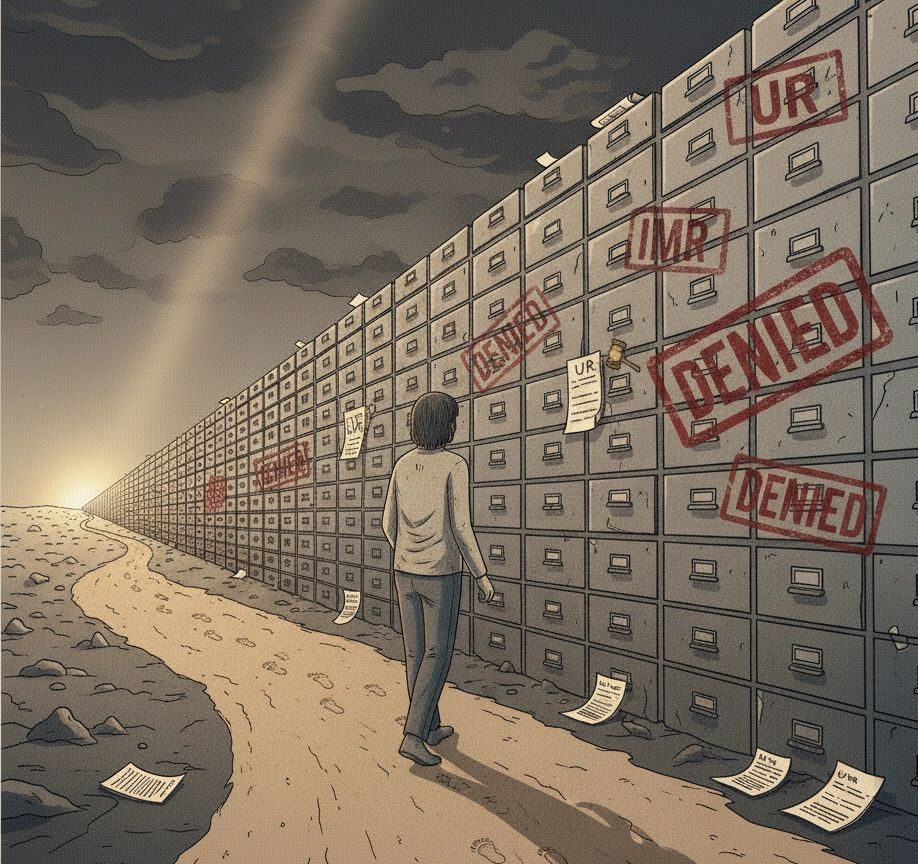
In short: If your doctor wants you to continue care, the doctor must ask permission to have that care authorized, and insurance company will send it through the review process again and again and even issue a new denial for something that was previously approved.
Why This Matters to Injured Workers
For people dealing with chronic pain, long-term injuries, or conditions that require regular treatment, this decision creates real challenges:
1. More Opportunities for Denials
Utilization review already denies medically reasonable care far too often. And you may think that you have an honest chance of winning an appeal to IMR, but studies have shown that statistically IMR upholds about 9 out of every 10 denials. By requiring UR/IMR for every continuation of treatment, this ruling creates more chances for treatment to be rejected.
2. Judges Can’t Step In
The decision reinforces that the Workers’ Compensation Appeals Board does not have the power to override UR/IMR decisions based on medical necessity. Even when a denial makes no sense, the court has tied judges’ hands.
So What Can We Do About It?
Even in a tougher legal climate, there are still strong ways to protect your care and your case. Here’s how I handle continuing-care cases moving forward:
1. Push for Longer Treatment Plans Up Front
I work with your treating doctor to request larger blocks of treatment instead of piecemeal requests. This reduces how often insurers can interfere.
2. Make the Medical Record Bulletproof
We make sure the doctor documents functional goals, measurable progress, what happens when treatment stops, and how the treatment improves your daily life.
Strong documentation strengthens IMR challenges and protects your case value.
3. Appeal Improper or Untimely UR Decisions
UR has strict deadlines and credentialing rules. If an insurer breaks them, I can still challenge the denial.
4. Use Denials to Strengthen Your Case
If the insurer keeps cutting off care, the documented impact becomes part of your permanent disability evaluation, the calculation of future medical needs, and your ability to negotiate a stronger settlement.
A denial may stop treatment temporarily, but it can increase case value long-term.
5. Stay Proactive and Communicative
I monitor treatment requests closely so we can respond quickly to interruptions and keep the case moving.
Bottom Line
This new decision is not great news for injured workers. It gives insurance companies more power to delay or limit care, even when treatment has been helping.
But you don’t have to navigate this alone.
By staying strategic, building strong medical documentation, and pushing back against improper denials, we can still protect your health and your legal rights.
If you’re facing treatment delays, UR denials, or gaps in care, or if you simply want to understand how this new ruling affects your case, reach out. I’m here to help you fight for the care you need and the benefits you deserve. Reach out today for a free consultation.